
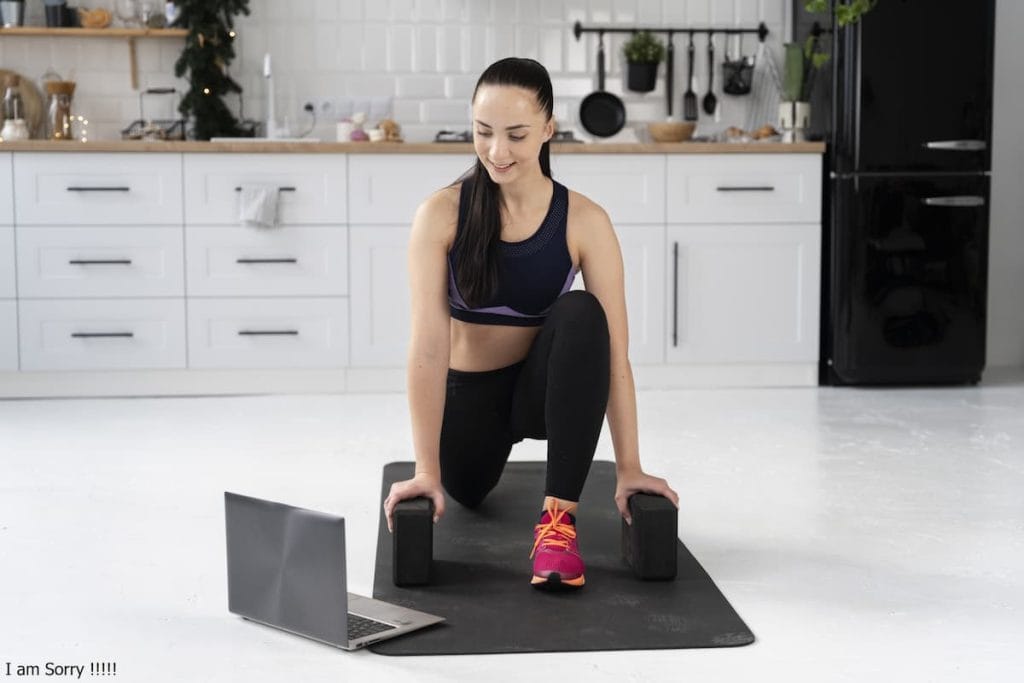
The Home Workout for Beginners No Equipment Routine: 15-20 Minutes
Starting a fitness routine without gym equipment can feel overwhelming at first, especially if the idea of walking into a cr
This guide walks you through a complete beginner-friendly workout you can do right in your living room, using nothing but your own body weight.
This home workout for beginners no equipment guide will show you exactly how.
Do You Actually Need Gym Equipment to Get Fit?
Short answer: no, especially not when you’re just starting out. It’s easy to assume that real results only come from a rack of dumbbells or a wall of machines, but that’s not what the research shows. A 2017 study published in the Journal of Exercise Science & Fitness compared low-load bench presses to push-ups and found they produced similar gains in muscle size and strength — no barbell required.
That doesn’t mean gym equipment is useless. Machines and free weights make it easier to keep adding resistance once bodyweight exercises start feeling too easy. But for beginners, skipping the gym equipment question entirely and just starting with bodyweight training is often the smarter, more sustainable move. You remove every barrier — cost, commute, intimidation — and replace it with something you can start doing in the next five minutes.
Why Bodyweight Workouts Actually Work
A lot of people assume that if you’re not lifting heavy weights, you’re not really working out. That’s simply not true. Bodyweight training builds real strength, improves flexibility, and burns calories just as effectively as weight training, especially when you’re just starting out.
The biggest advantage? You can do it anywhere. No commute to the gym, no waiting for equipment, no monthly fees. Just you, a bit of space, and the willingness to show up.
According to the CDC’s physical activity guidelines for adults, adults should get at least 150 minutes of moderate activity per week along with muscle-strengthening exercises on two or more days — and bodyweight workouts like this one count toward both goals.
If you prefer something gentler on your joints, check out our guide to low impact exercises for beginners at home. And if walking is more your speed than a full circuit, our breakdown of the Japanese walking method is a great low-equipment option to pair with strength days.
This makes it one of the easiest ways to build strength without buying any gym equipment.
That’s exactly what makes a home workout for beginners no equipment routine so effective long-term.
Before You Start
Before jumping into this home workout for beginners no equipment plan, keep a few basics in mind.
- Warm up for 5 minutes before jumping into the main workout. A few minutes of marching in place or arm circles is enough.
- Focus on form over speed. Doing an exercise correctly ten times beats doing it sloppily twenty times.
- Listen to your body. Some muscle soreness is normal when you’re new to exercise, but sharp pain is not.
- Keep water nearby and stay hydrated throughout.
The Workout: 15–20 Minutes, No Equipment Needed
Do each exercise for 30–40 seconds, then rest for 15–20 seconds before moving to the next one. Complete the full circuit two to three times depending on your fitness level.
1. Bodyweight Squats
Stand with your feet shoulder-width apart, then lower yourself as if sitting into a chair, keeping your chest up and knees behind your toes. Push through your heels to stand back up. This works your thighs, glutes, and core all at once.It’s one of the best gym equipment alternatives for building lower-body strength.
2. Push-Ups (Modified if Needed)
If a full push-up feels too tough right now, drop to your knees instead of your toes. Keep your body in a straight line and lower your chest toward the floor. This targets your chest, shoulders, and arms.No gym equipment needed — just your own bodyweight and gravity.
3. Glute Bridges
Lie on your back with your knees bent and feet flat on the floor. Lift your hips toward the ceiling, squeezing your glutes at the top, then lower back down slowly. Great for strengthening your lower back and glutes.
4. Plank Hold
Get into a forearm plank position, keeping your body in a straight line from head to heels. Hold as long as you can while maintaining good form, even if that’s only 15–20 seconds at first. This builds core strength that supports nearly every other exercise.
5. Standing Mountain Climbers
From a standing position, bring your knees up toward your chest one at a time at a brisk pace, like you’re jogging in place but driving your knees higher. This gets your heart rate up and doubles as cardio.
6. Wall Sit
Lean your back against a wall and slide down until your knees form a 90-degree angle, like you’re sitting in an invisible chair. Hold this position. It looks simple but your legs will feel it fast.
How Often Should Beginners Work Out?
Three to four times a week is a solid starting point. This gives your muscles enough time to recover between sessions while still building consistency. As the exercises start to feel easier, you can add more rounds, shorten your rest periods, or increase how long you hold each move.
Consistency matters more than intensity when you’re following a home workout for beginners no equipment plan like this one.
Since this routine skips gym equipment entirely, you can fit it into even the busiest schedule.
When You’ve Outgrown Bodyweight-Only Training
Bodyweight training is an excellent starting point, but at some point your muscles adapt and the same moves stop being challenging. That’s usually when people start wondering whether they need actual gym equipment. A few signs it might be time to add resistance:
- You can complete three full circuits without feeling much fatigue
- Push-ups and squats no longer feel difficult even at higher rep counts
- You’ve been consistent for 6–8 weeks and progress has plateaued
At that point, even a small investment — a pair of resistance bands or adjustable dumbbells — can extend the life of a bodyweight-based routine without requiring a full gym membership.
Common Mistakes to Avoid
Even a solid home workout for beginners no equipment plan can fail if these mistakes creep in.
Even the best home workout for beginners no equipment routine won’t work if these common mistakes get in the way.
Skipping the warm-up. Jumping straight into exercise without warming up increases your risk of strain, especially in the early weeks when your body is still adjusting.
Comparing yourself to others. Everyone starts somewhere. Your only real competition is who you were last week.
Expecting overnight results. Real, lasting change usually shows up after a few consistent weeks, not a few days. Stick with it.
Ignoring nutrition. Exercise and diet work together. You don’t need to overhaul your entire diet overnight, but drinking enough water and eating balanced meals will make a noticeable difference in your energy and recovery.
Frequently Asked Questions
Is this home workout for beginners suitable for people with no equipment at all? Yes, completely. Every exercise in this routine uses only your body weight, so all you need is a small clear space on the floor. No dumbbells, resistance bands, or gym equipment required.
How many days a week should beginners do this workout? Three to four days a week is ideal for beginners. This allows your muscles enough time to recover between sessions while still building a consistent habit.
How long before I start seeing results? Most beginners notice improvements in strength and stamina within two to three weeks of consistent effort. Visible changes in body shape usually take four to six weeks, depending on your starting point and diet.
Can I do this workout if I’m out of shape or haven’t exercised in years? Yes. The moves in this routine can be modified, such as doing push-ups on your knees or holding a plank for a shorter time. Start at your own pace and gradually increase intensity as you build strength.
Is it normal to feel sore after this workout? Mild muscle soreness in the first few days is completely normal, especially if you’re new to exercise. However, sharp or intense pain is not normal and may be a sign to rest or adjust your form.
Will I eventually need gym equipment to keep progressing? Not right away. Bodyweight training can take most beginners quite far — often 2 to 3 months of steady progress. Once the exercises stop feeling challenging even with more reps or sets, that’s usually the signal to consider adding resistance bands or light dumbbells rather than a full gym setup.
Final Thoughts
You don’t need gym equipment, a gym, or hours of free time to start getting fit. What you need is consistency and a willingness to begin, even if that means starting small. This simple routine is proof that a strong, effective workout can happen anywhere, including your own living room.
Give it a try today. Your future self will thank you.