
Protein Intake Calculator: How Much Protein Do You Really Need Per Day?
Use the free calculator below to find your personal daily protein target in seconds, then read on to understand exactly why that number matters for muscle, fat loss, and long-term health.
Protein Intake Calculator
Enter your details to get a personalized daily protein target
This calculator uses a simple, evidence-based formula: your body weight in kilograms multiplied by a factor based on your goal. It's the same method used by dietitians and sports nutritionists to give a quick, reliable starting point — you can also find this tool alongside our other free tools on the Fitness Guide Pro calculators page.
Why Protein Intake Actually Matters
Protein is the raw material your body uses to repair muscle fibers, produce enzymes and hormones, support immune function, and keep you feeling full between meals. Unlike carbohydrates and fat, your body doesn't store protein for later use — so a consistent daily intake matters more than a single high-protein meal here and there. According to Harvard Health Publishing, protein requirements can vary quite a bit depending on age, activity level, and overall health goals.
Whether your goal is building muscle, losing fat while keeping the muscle you already have, or simply supporting long-term health, protein plays a central role. Getting the amount right helps you avoid two common mistakes: eating too little (which can slow muscle recovery and leave you hungrier) or eating far more than needed without any extra benefit.
How Much Protein Do You Need, By Goal?
Protein needs aren't one-size-fits-all. They shift depending on your activity level, body composition goals, and how much muscle you're trying to build or preserve. Use the protein intake calculator above to get a personalized number, or check the general breakdown below:
| Goal | Protein per kg of body weight | Example (70kg person) |
|---|---|---|
| General health & maintenance | 0.8 g/kg | ~56g / day |
| Weight loss (preserving muscle) | 1.2 g/kg | ~84g / day |
| Muscle gain | 1.6 g/kg | ~112g / day |
| Serious strength / athletic training | 2.0 g/kg | ~140g / day |
Note: These are general, research-informed guidelines rather than strict medical targets. Individual factors like age, muscle mass, kidney health, and overall diet can shift what's ideal for you — the calculator above gives a solid starting point, not a prescription.
Signs You Might Not Be Getting Enough Protein
Even people who eat a reasonably healthy diet can fall short on protein, especially if meals are built mostly around carbohydrates. A few common signs include feeling hungry again shortly after eating, slower recovery after workouts, and gradually losing muscle tone despite regular training.
If several of these sound familiar, it may be worth tracking your intake for a few days using the protein intake calculator above as a benchmark, then adjusting your meals accordingly.
Best Protein Sources to Hit Your Target
Once you know your daily number, the next step is choosing quality sources that fit your diet and lifestyle:
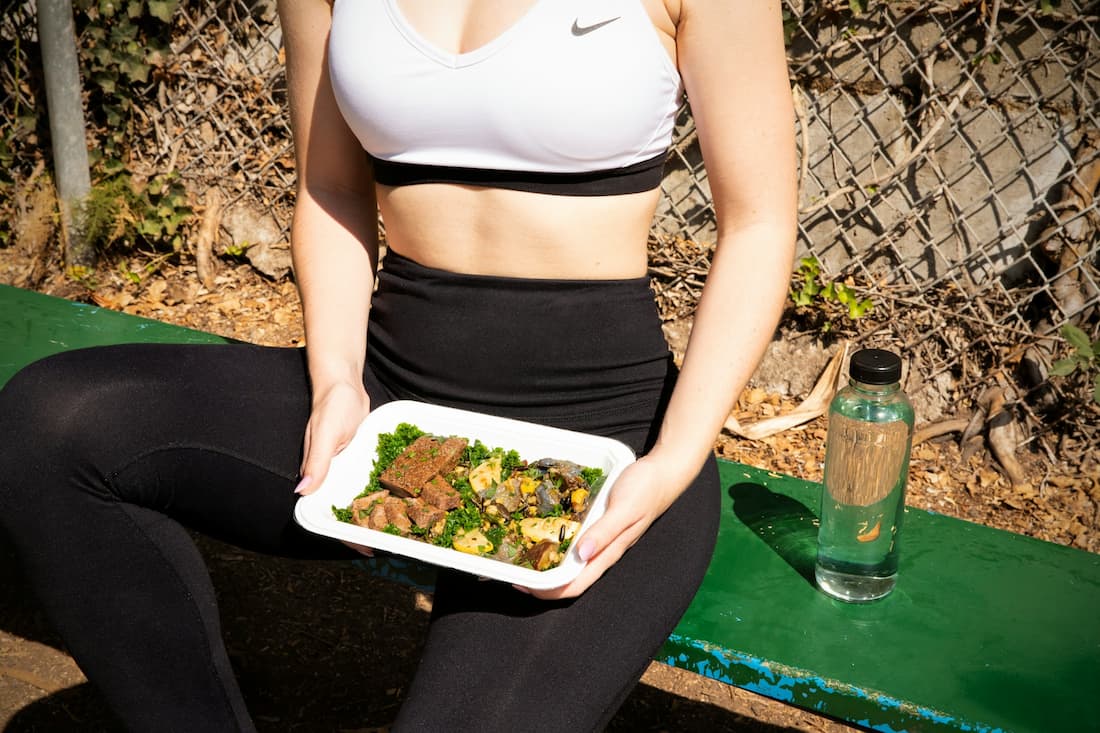
For a deeper breakdown of high-protein foods and how to fit them into daily meals, check out our full guide: 11 Best Protein-Rich Foods for Muscle Building.