
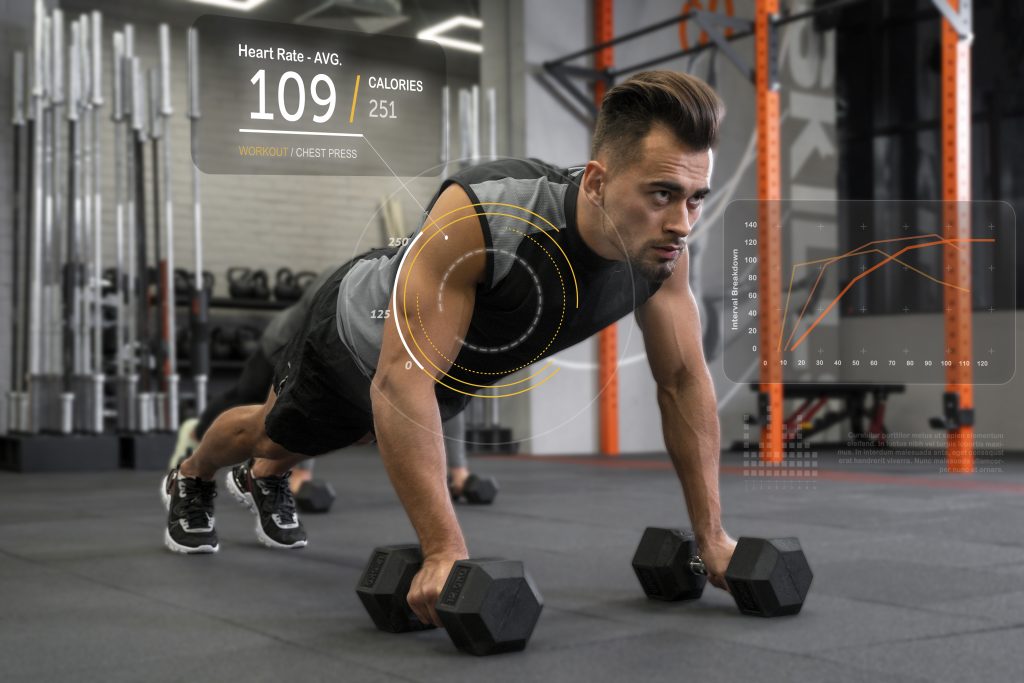
In today’s fast-paced world, finding a solid 60 to 90 minutes to spend at the gym feels almost impossible. Between back-to-back work meetings, family responsibilities, and trying to maintain a social life, fitness often gets pushed to the back burner.
But what if you didn’t need an hour? What if just 15 minutes of structured movement could give you the same, if not better, health and fitness benefits?
Enter Micro-Workouts—the latest fitness trend taking the United States by storm. But does science back it up, or is it just another fitness myth? Let’s dive into the data.
What Exactly is a Micro-Workout?
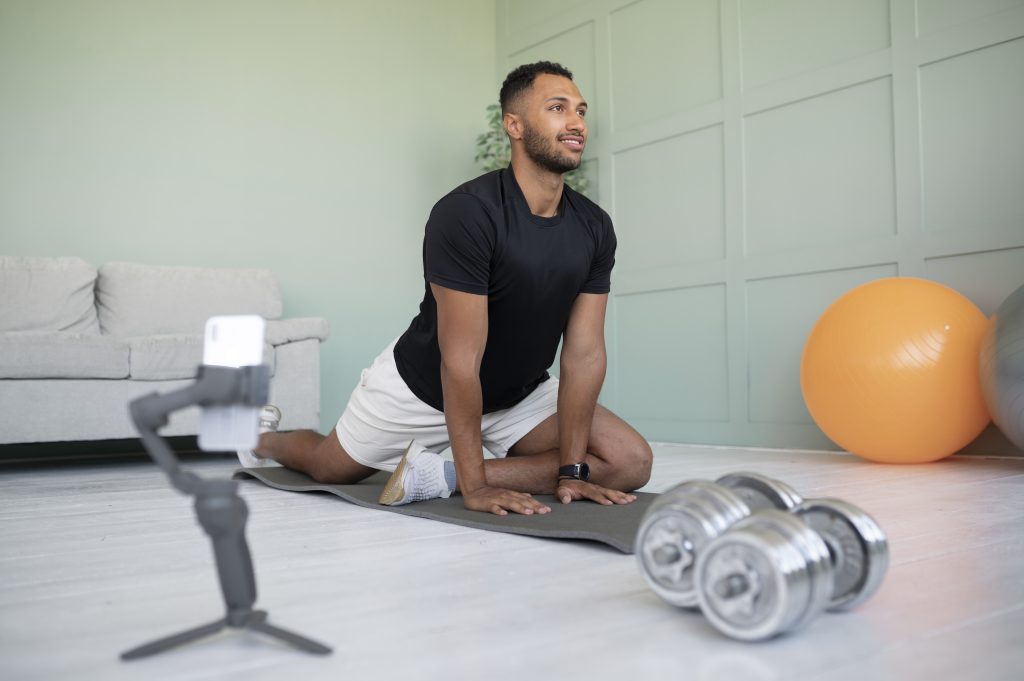
A micro-workout is a short, highly structured burst of exercise ranging from 5 to 15 minutes. Unlike a traditional gym session where you pace yourself between sets, a micro-workout focuses on high intensity and minimal rest.
The goal is simple: maximize muscle engagement and elevate your heart rate in the shortest time possible. If you’re completely new to structured exercise, it also helps to start with a foundational routine like this Home Workout for Beginners before jumping into high-intensity micro-workouts.
The Science: Can 15 Minutes Really Build Lean Muscle?
The short answer is yes, absolutely.
According to the 2026 ACSM Position Stand on Resistance Training, muscle hypertrophy (growth) isn’t determined by how long you stay in the gym; it’s determined largely by mechanical tension and total training volume. If you can stimulate your muscle fibers with enough intensity within 15 minutes, your body will adapt by building lean muscle — the same core principle that governs any resistance training program, long or short.
Furthermore, short bursts of intense exercise trigger the EPOC (Excess Post-Exercise Oxygen Consumption) effect. This means your metabolism stays elevated, and your body continues to burn calories for hours after your workout is over. Research published in Scientific Reports found that high-intensity interval protocols produced significantly greater EPOC and fat oxidation than steady, moderate-intensity sessions — even when total calories burned during the workout were matched. NASM’s breakdown of EPOC and its role in metabolism explains that this afterburn effect can last anywhere from a few hours up to 24 hours, depending on workout intensity.
The Ultimate 15-Minute Full-Body Micro-Workout (No Equipment Needed)
If you want to try this trend today, here is a highly effective, scientifically-backed 15-minute routine you can do right in your living room or office space.
How it works: Perform each exercise for 45 seconds, followed by 15 seconds of rest. Complete the entire circuit 3 times.
| Exercise Number | Exercise Name | Target Muscle Group |
|---|---|---|
| 1 | Bodyweight Squats (or Jump Squats) | Quads, Glutes, and Cardio |
| 2 | Standard or Incline Push-Ups | Chest, Shoulders, and Triceps |
| 3 | Reverse Lunges (Alternating) | Hamstrings and Balance |
| 4 | Plank Shoulder Taps | Core and Stability |
| 5 | Mountain Climbers | Core and Burnout |
3 Tips to Maximize Your Micro-Workouts
To make sure these 15 minutes actually deliver results, keep these three rules in mind:
- Up the Intensity: Since the workout is short, you cannot afford to take it easy. Give it 80-90% of your maximum effort during the active seconds.
- Focus on Form: Speed is important, but never sacrifice your form. Bad form leads to injuries, not muscles.
- Stay Consistent: Doing one 15-minute workout a week won’t change your body. Doing one 15-minute workout 5 days a week will completely transform your fitness levels.
Muscle repair and growth also depend heavily on what you eat afterward, so pair this routine with enough protein-rich foods for muscle building to support recovery.
Frequently Asked Questions (FAQs)
Is a 15-minute workout actually enough to build muscle?
Yes. What matters most for muscle growth is sufficient mechanical tension and effort, not total time spent training. A well-structured 15-minute circuit performed at high intensity can stimulate the same muscle fibers as a longer session.
Can beginners do micro-workouts, or should they start with something easier?
Beginners can absolutely start with micro-workouts, but it’s smart to first build a base level of strength and form with a beginner-friendly routine before adding high-intensity circuits.
How many days a week should I do micro-workouts?
For visible results, aim for at least 5 days a week. Doing it once a week is unlikely to create meaningful change, but daily short sessions add up significantly over time.
Do I need any equipment for micro-workouts?
No. The routine above is 100% bodyweight-based and can be done anywhere — your living room, office, or even a hotel room.
Will micro-workouts help with fat loss too, or just muscle building?
Both. Thanks to the EPOC effect, your body keeps burning extra calories for hours after a high-intensity micro-workout, which supports fat loss alongside muscle building.
The Bottom Line
Micro-workouts are not just a passing trend; they are the future of sustainable fitness for busy Americans. If lack of time is your biggest excuse, the micro-workout completely eliminates it.
Stop waiting for the “perfect hour” to visit the gym. Start where you are, use what you have, and give it your all for just 15 minutes.
The information on fitnessguidepro.com is for educational purposes only and should not be taken as medical advice. Always consult a doctor before starting any fitness program.