
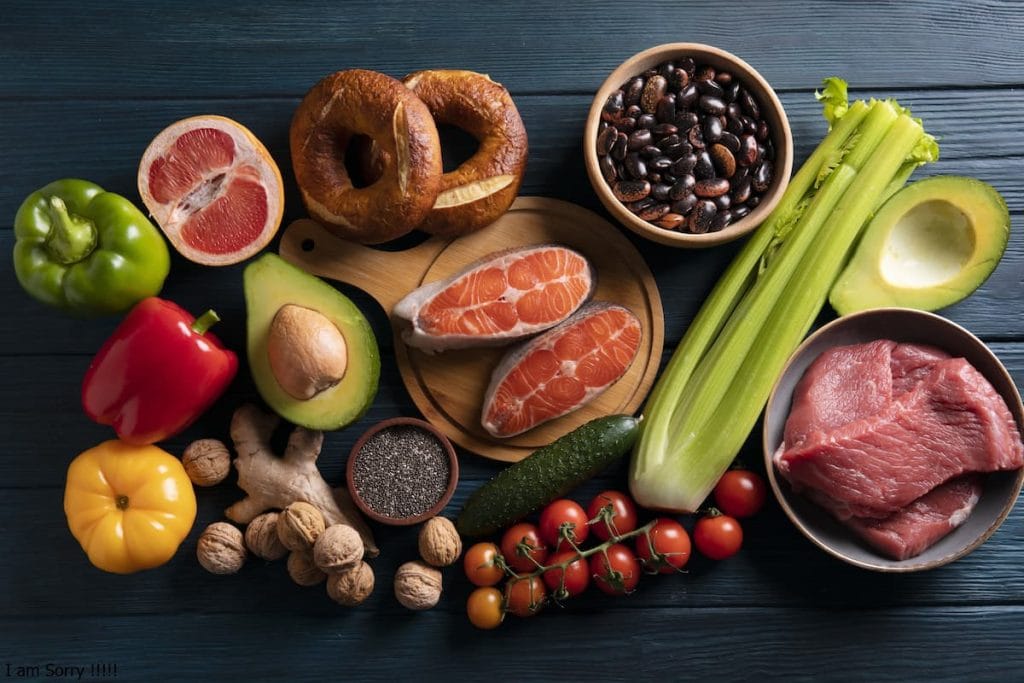
You’ve been hitting the gym for weeks now. Sets, reps, the whole routine — and yet the mirror isn’t showing much difference. Sound familiar? The truth is, eating the right protein rich foods for muscle building matters just as much as your workout.
Here’s the thing nobody tells beginners: lifting weights only does half the job. The other half happens in your kitchen. Muscles don’t grow while you’re lifting — they grow afterward, while you’re resting and eating, and that recovery process runs almost entirely on protein.
1. Eggs
Still one of the cheapest, most reliable protein sources out there. A single egg gives you around 6 grams of protein, and unlike a lot of other foods, it’s what nutritionists call “complete” — meaning it has all nine essential amino acids your muscles actually need to repair themselves. Boiled, fried, an omelette with a bit of onion and tomato — doesn’t really matter how you eat them.
2. Chicken Breast
This one’s practically the poster child of muscle-building diets, and honestly, it earns the reputation. Roughly 31 grams of protein per 100 grams, very little fat, and it takes on whatever flavor you cook it with. Grilled, in a curry, tossed into a salad — chicken breast is forgiving that way.
3. Greek Yogurt
Regular dahi is fine, but Greek yogurt is strained further, which concentrates the protein. A cup can pack close to 20 grams. Add some honey and a handful of almonds and you’ve basically got a post-workout snack that doesn’t taste like punishment.
4. Salmon
Not exactly cheap or easy to find everywhere, but if you can get your hands on it, salmon delivers about 25 grams of protein per 100 grams — plus omega-3s, which research shows help calm down the inflammation your muscles deal with after a tough session. Worth it once or twice a week if your budget allows.
5. Cottage Cheese (Paneer’s Cousin)
Cottage cheese digests slowly because of the casein protein in it, which is exactly why a lot of trainers recommend eating it right before bed. While you sleep, your body keeps pulling amino acids from it, slowly, all night. If cottage cheese isn’t easily available where you live, unsalted paneer works as a reasonable substitute.
6. Lentils (Daal)
Here’s good news for anyone who isn’t big on meat — a bowl of cooked lentils gives you around 18 grams of protein. Masoor, moong, chana — any daal really. It’s also loaded with fiber and iron, which most people don’t get enough of anyway.
7. Almonds
Not a full meal, obviously, but a solid snack when hunger hits between meals. An ounce (about a small handful) gives roughly 6 grams of protein, along with magnesium — a mineral that’s actually involved in how your muscles contract and recover. Keep a small box at your desk instead of biscuits.
8. Tuna
Canned tuna doesn’t get enough credit. It’s cheap, it barely needs cooking, and it delivers close to 30 grams of protein per 100 grams with almost no fat. Mix it with a bit of lemon and black pepper and eat it with bread or rice — takes five minutes.
9. Quinoa
Slightly unusual for local kitchens, but worth trying. Quinoa is one of the rare plant-based grains that’s a complete protein on its own — around 8 grams per cooked cup. If you can’t find it or don’t like the taste, brown rice with daal achieves something similar, just not quite as protein-dense.
10. Tofu
For anyone eating fully plant-based, tofu is hard to skip. About 10 grams of protein per 100 grams, plus decent calcium and iron. It doesn’t have much flavor on its own, but it soaks up whatever spices or sauce you cook it in — so treat it like a blank canvas, not a bland one.
So How Much Protein Do You Actually Need?
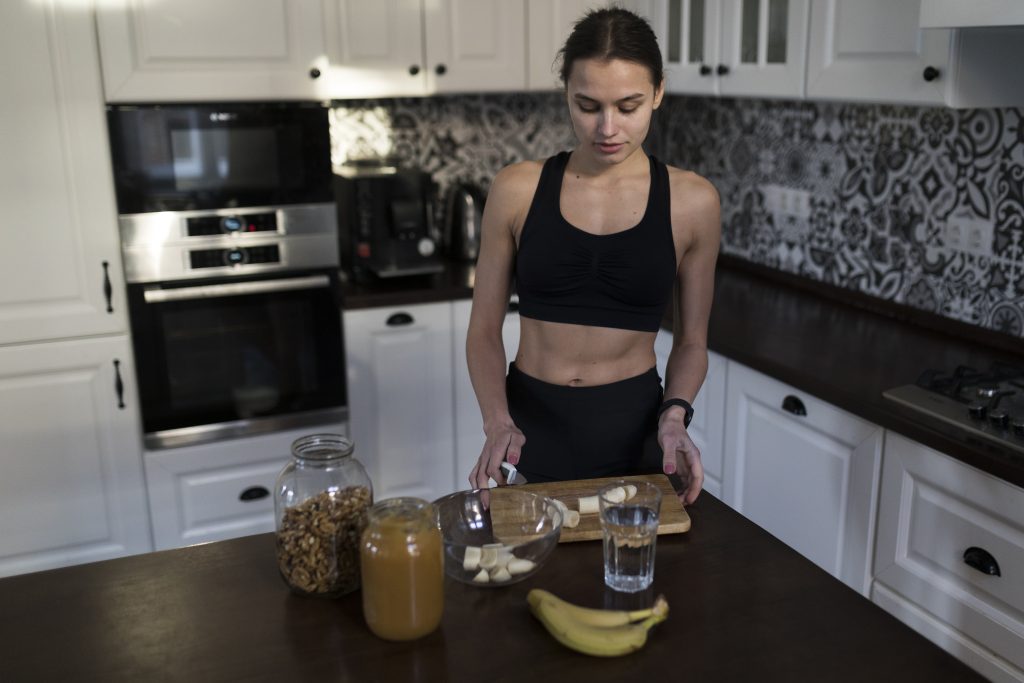
There’s no single magic number, but according to NIH’s Office of Dietary Supplements, a commonly used range for people trying to build muscle is about 1.6 to 2.2 grams of protein per kilogram of body weight, spread across the day. So if you’re around 70kg, that’s roughly 112–154 grams daily — split across 3-4 meals rather than crammed into one.
Don’t stress over hitting the exact number every single day, though. Consistency over weeks matters far more than perfection on any one day.
Frequently Asked Questions
What are the best protein rich foods for muscle building? Eggs, chicken breast, Greek yogurt, salmon, and lentils are among the best protein rich foods for muscle building, since they offer high protein per serving along with other nutrients that support recovery.
Can I build muscle without eating meat? Yes. Plant-based options like lentils, tofu, quinoa, and almonds provide enough protein to support muscle building when eaten consistently and in the right amounts.
How much protein do I need daily to build muscle? Most people aiming to build muscle need around 1.6 to 2.2 grams of protein per kilogram of body weight per day, spread across 3-4 meals.
Is it better to get protein from food or supplements? Whole foods are generally the better choice since they come with extra vitamins, minerals, and fiber that supplements don’t provide. Protein powder can help fill gaps, but it shouldn’t replace real food.
How long does it take to see muscle growth from diet changes? Most people start noticing visible changes after 4 to 8 weeks of consistent training combined with adequate protein intake, though this varies by individual.
Disclaimer: This article is for general informational purposes and isn’t a substitute for advice from a qualified nutritionist or doctor. If you have health conditions, please consult a professional before making major dietary changes.
Best Protein Rich Foods for Muscle Building: Final Word
You don’t need to overhaul your entire diet overnight. Swap one meal this week for something on this list — maybe eggs instead of toast, or daal instead of fries — and build from there. Muscle building is slow, and honestly, a little boring most days. But the foods on this list make that boring part a lot easier to stick to.
Disclaimer: This article is for general informational purposes and isn’t a substitute for advice from a qualified nutritionist or doctor. If you have health conditions, please consult a professional before making major dietary changes.
Ready to Put This Into a Full Plan?
Knowing which foods to eat is only half the equation — the other half is knowing how much, when, and how it fits into your overall training. If you want a done-for-you system that takes the guesswork out of nutrition and workouts, check out the FitnessGuidePro Fitness Bundle. It’s designed to turn good food choices into real muscle-building results.